Cultural perceptions shaping the world of gambling today
The Evolution of Gambling Across Cultures
Gambling has undergone significant transformation over centuries, with cultural perceptions playing a vital role in shaping its development. In ancient societies, gambling often held ceremonial significance, serving as a medium for decision-making or divination. As cultures evolved, so did their interpretations of gambling—from a revered activity to a taboo. For instance, in some Eastern societies, gambling is seen as a way to honor ancestors, while in Western cultures, it has often been linked to moral decay and vice. Today, many gamers can explore platforms like shotz-nz.org/, which offer a diverse array of games that reflect these evolving perspectives.

The perception of gambling also varies widely between different religions. In Islam, for example, gambling is explicitly forbidden due to the belief that it encourages greed and disrupts social harmony. Conversely, Hinduism presents gambling as a complex topic where it can be acceptable under certain conditions, such as festivals. Such cultural nuances deeply influence how gambling is legislated, viewed, and practiced across various regions today.
Modern technological advancements have further complicated cultural perceptions of gambling. The rise of online casinos has made gambling more accessible, transforming it into a social activity that transcends geographical boundaries. This shift challenges traditional views, as online platforms often foster community engagement among players, allowing for a more communal experience. However, these changes also raise concerns about the potential for addiction, thereby prompting debates about regulation and ethical responsibility in gambling industries.
The Impact of Media on Gambling Perceptions
Media portrayal significantly influences public perception of gambling, shaping societal norms and expectations. Films, television shows, and online content often glamorize gambling, presenting it as an exciting and lucrative endeavor. Such representations can create a romanticized view that overlooks the potential dangers and financial pitfalls associated with gambling. This disparity between reality and depiction can lead individuals to underestimate the risks involved, contributing to unhealthy gambling behaviors.
Social media platforms have further amplified these perceptions, allowing influencers and celebrities to promote gambling-related content. The rise of online gambling has resulted in an increase in promotional activities, where betting becomes synonymous with entertainment and fun. This trend can normalize gambling in everyday conversations, making it more socially acceptable, particularly among younger audiences who may not fully understand the consequences.
Moreover, responsible gaming campaigns often clash with these glamorous portrayals. While many gambling institutions advocate for moderation and awareness of addiction risks, the message can easily be overshadowed by sensationalized media coverage. This creates a complex relationship between gambling and public perception, as consumers struggle to reconcile responsible behavior with the highly marketed excitement of gaming.
Cultural Attitudes Toward Regulation and Responsibility
The cultural context surrounding gambling heavily influences attitudes towards regulation and responsible gaming. In some societies, gambling is heavily regulated, with strict laws governing where and how it can take place. For example, many European countries have established comprehensive regulations aimed at protecting consumers and minimizing harm. This proactive approach is often rooted in a cultural understanding of the potential consequences of gambling, thus emphasizing the need for oversight.
Conversely, in cultures where gambling is viewed more favorably, regulation may be minimal or even nonexistent. This laissez-faire attitude can lead to increased participation but also exposes individuals to higher risks of gambling addiction and related issues. In these societies, there may be a push for awareness campaigns, but without robust legislation, the impact can be limited. Such disparities highlight the critical need for culturally sensitive approaches to regulation that consider local beliefs and practices.
The movement towards responsible gambling is gaining traction worldwide, yet its effectiveness often varies by cultural context. In some places, community initiatives and educational programs are becoming integral to gambling regulation. These efforts focus on informing individuals about the risks while promoting healthy gaming habits. However, as the gambling landscape evolves, so too must the cultural attitudes that dictate how societies approach gambling and its associated responsibilities.
Generational Differences in Gambling Attitudes
Generational differences significantly shape how gambling is perceived and engaged with across cultures. Younger generations, such as millennials and Gen Z, tend to view gambling through the lens of entertainment rather than as a serious financial venture. This shift has been influenced by the rise of mobile gaming and social casinos, where gambling activities are often gamified and presented in a casual, social context. As a result, younger individuals may approach gambling with a different set of expectations and attitudes, often prioritizing fun over financial gain.
In contrast, older generations may possess a more cautious or even skeptical view of gambling. Many grew up in eras where gambling was stigmatized or viewed as a vice. This generational divide can lead to differing opinions on regulation, with older individuals advocating for stricter laws and younger people supporting more lenient frameworks that cater to evolving trends. The clash of these viewpoints can create tension in discussions about gambling policies and practices, as stakeholders must find common ground.
Additionally, these generational attitudes impact marketing strategies within the gambling industry. As companies strive to attract a younger demographic, they often tailor their messaging to emphasize social interaction, community, and entertainment. This approach reflects a broader trend of adapting to changing cultural perceptions while navigating the complexities of gambling’s reputation across different age groups.
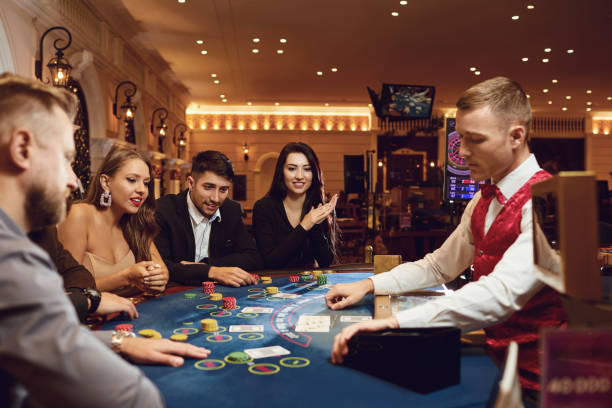
Exploring Shotz Casino’s Role in Changing Gambling Culture
Shotz Casino stands at the forefront of the evolving gambling landscape, particularly in New Zealand. By offering a vast selection of over 2,500 games, including popular pokies and live dealer options, it caters to diverse player preferences. The platform’s user-centric design emphasizes accessibility and entertainment, aligning with the current cultural trend towards social and casual gaming. This approach reflects a shift away from traditional gambling perceptions, positioning Shotz Casino as a modern entertainment hub.
Moreover, Shotz Casino recognizes the importance of responsible gaming, implementing robust security measures and promoting player safety. By offering features like fast withdrawals and a welcoming bonus for new users, the casino aims to create a positive gaming experience while acknowledging the risks associated with gambling. Such initiatives demonstrate a commitment to fostering a responsible gambling culture that resonates with contemporary players.
As cultural perceptions continue to evolve, Shotz Casino is not just a gaming platform but also a significant player in reshaping how gambling is viewed and experienced. With a focus on player satisfaction and community engagement, it embraces the complexities of modern gambling while remaining attuned to the cultural factors that shape the industry. This adaptability positions Shotz Casino as a leader in the ongoing conversation about gambling culture and its future trajectory.